
Mastering Applied Metrology Techniques in Midrand
Applied metrology is essential for industrial companies that require precise instrumentation calibration, testing, and repair. In Midrand, mastering applied metrology techniques ensures that equipment operates within strict tolerances. This leads to improved product quality, reduced downtime, and compliance with industry standards. I will explain the key aspects of applied metrology, practical methods, and how to implement them effectively.
Understanding Applied Metrology Techniques
Applied metrology involves the practical use of measurement science to control and improve manufacturing and industrial processes. It covers calibration, testing, and repair of instruments used in production and quality control. The goal is to maintain accuracy and reliability in measurements.
There are several applied metrology techniques commonly used:
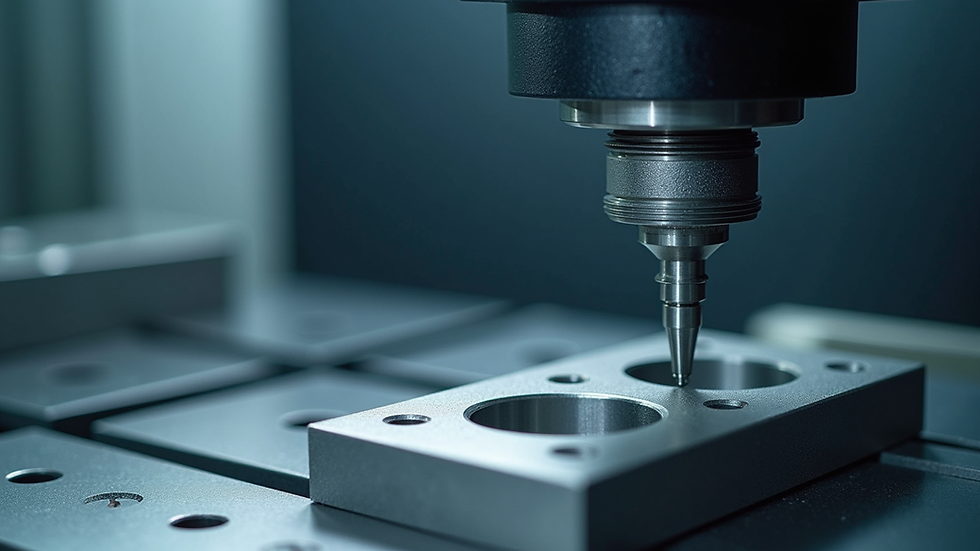
Dimensional Metrology: Measuring physical dimensions such as length, width, and height using tools like calipers, micrometers, and coordinate measuring machines (CMM).
Electrical Metrology: Testing electrical parameters such as voltage, current, and resistance with multimeters and oscilloscopes.
Pressure and Temperature Metrology: Calibrating sensors and gauges that monitor pressure and temperature in industrial systems.
Flow Metrology: Measuring the flow rate of liquids and gases using flow meters and related instruments.
Each technique requires specific equipment and procedures. Mastery means understanding the principles behind each method and applying them consistently.
Practical Applications of Applied Metrology Techniques
In industrial settings, applied metrology techniques are used to ensure that instruments provide accurate data. This data is critical for process control and product quality. Here are some practical examples:
Calibration of Pressure Gauges
Pressure gauges must be calibrated regularly to ensure they provide correct readings. This involves comparing the gauge output against a known standard and adjusting it if necessary.
Verification of Electrical Instruments
Electrical instruments like multimeters are tested against reference devices. This confirms their accuracy before they are used in production environments.
Dimensional Inspection of Components
Parts manufactured in factories are measured to verify they meet design specifications. This prevents defective products from reaching customers.
Flow Meter Testing
Flow meters are calibrated to ensure they measure fluid flow accurately. This is vital in industries such as chemical processing and water treatment.
Applied metrology techniques help identify deviations early. This reduces waste and improves efficiency.
Equipment and Tools for Applied Metrology
The right equipment is crucial for mastering applied metrology. Here are some essential tools:
Calibrators: Devices used to set and verify the accuracy of instruments.
Reference Standards: Certified measurement standards traceable to national or international bodies.
Measurement Software: Programs that collect and analyze data from instruments.
Environmental Chambers: Used to test instruments under controlled temperature and humidity conditions.
Investing in high-quality equipment ensures reliable results. Regular maintenance and calibration of metrology tools are also necessary to maintain accuracy.

Implementing Applied Metrology in Industrial Operations
To implement applied metrology effectively, follow these steps:
Assess Measurement Needs
Identify which instruments require calibration and testing based on production requirements.
Develop a Calibration Schedule
Create a timetable for regular calibration and maintenance of instruments.
Train Personnel
Ensure staff understand metrology principles and proper use of equipment.
Document Procedures
Maintain detailed records of calibration results and repairs for traceability.
Use Traceable Standards
Always calibrate instruments against standards traceable to recognized authorities.
Monitor and Review
Regularly review calibration data to detect trends and prevent issues.
Following these steps helps maintain measurement integrity and supports quality control.
Why Choose Applied Metrology Services in Midrand
Midrand is a strategic location for industrial companies seeking reliable metrology services. The region offers access to skilled professionals and advanced facilities. Companies can benefit from comprehensive solutions including calibration, testing, and repair.
For those looking to enhance their measurement systems, applied metrology se midrand provides expert services tailored to industrial needs. Their approach focuses on traceability, accuracy, and customer support.
Choosing a local provider reduces turnaround times and ensures compliance with South African standards. It also supports ongoing operational efficiency.
Sustaining Quality Through Applied Metrology
Maintaining high-quality standards requires continuous attention to measurement accuracy. Applied metrology is not a one-time task but an ongoing process. Regular calibration, testing, and repair keep instruments reliable.
Industrial companies should integrate applied metrology into their quality management systems. This integration supports:
Consistent product quality
Reduced rework and scrap
Compliance with regulatory requirements
Improved customer satisfaction
By mastering applied metrology techniques, companies in Midrand can achieve operational excellence and competitive advantage.
Mastering applied metrology techniques is essential for industrial success. It ensures instruments perform accurately and processes remain controlled. With the right tools, procedures, and expertise, applied metrology can be a powerful asset. Midrand offers the resources and services needed to implement these techniques effectively.


Comments